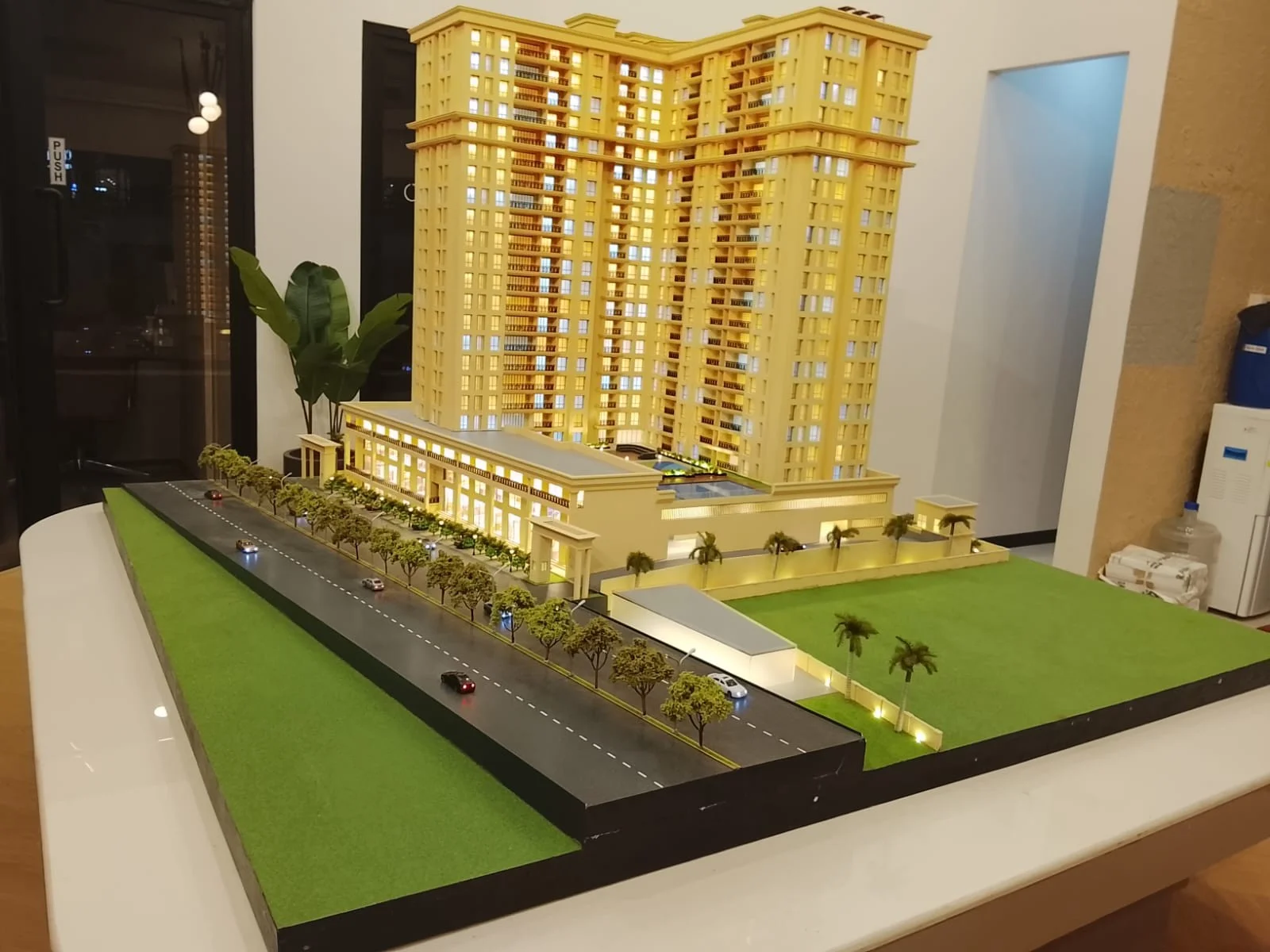
With so many studios now advertising online, narrowing down the right partner for an important project can feel overwhelming. Prices vary wildly, portfolios can be hard to judge from photographs alone, and everyone claims fast turnaround and high quality. This checklist walks through the practical questions worth asking before you commit, based on what actually separates a reliable architectural model maker india from one that will cause headaches partway through the project.
1. Ask to See Unedited, Close-Up Photos
Polished marketing photography with dramatic lighting can hide a multitude of small flaws. Ask specifically for close-up, natural-light photographs of past work, ideally including a few shots taken by the client rather than the studio itself. This gives you a far more honest sense of the actual finish quality you can expect.
2. Understand Their Material and Scale Range
Some studios are genuinely versatile across acrylic, wood, resin and 3D printing, while others lean heavily on one technique regardless of what would actually suit your project best. Ask what scale range they typically work in and which material they’d recommend for your specific brief, then ask why. A thoughtful answer tells you a lot about their actual expertise versus a generic sales pitch.
3. Clarify Pricing Structure Upfront
Pricing for models is rarely a simple per-square-foot number, it depends on scale, level of detail, material, lighting and landscaping. Ask for a breakdown rather than a single lump figure, so you understand exactly what you’re paying for and can make informed trade-offs if your budget is tight. Studios that resist giving any breakdown at all are worth a second look before committing.
4. Confirm Revision Policy Before You Sign Off
Design changes during a build are common, especially on larger projects where the drawings themselves may still be evolving. Ask upfront how many rounds of revision are included, what counts as a minor versus major change, and how additional revisions are priced. This single conversation prevents most of the billing disputes that come up later in a project.
5. Check Communication Style Early
The first few email or call exchanges tell you a lot about how a studio will communicate during the actual build. Do they respond promptly? Do they ask clarifying questions rather than making assumptions? Do they proactively update you on progress, or do you have to chase them for status? Since most models are built over several weeks without you physically present, this communication pattern matters just as much as craftsmanship.
6. Verify Experience With Your Specific Project Type
Residential towers, factory layouts, township masterplans and heritage restorations all demand somewhat different skills from an architectural model maker india, even though the underlying craft is related. A studio that has mostly built residential sales models might not have the same comfort with the technical accuracy an industrial layout requires, where equipment placement and clearances often matter as much as aesthetics. Asking directly about their experience with projects similar to yours, and requesting to see that specific work, is one of the most reliable ways to avoid mismatched expectations.
7. Don’t Skip the Contract Details
Once you’ve settled on a studio, make sure the agreement in writing covers the essentials, delivery date, payment schedule, revision policy, and what happens in the event of damage during transport. It might feel unnecessary for a smaller project, but having these details documented protects both sides and avoids the kind of misunderstandings that tend to surface only when something has already gone wrong. A professional studio will have no hesitation putting these terms in writing clearly.
8. Weigh Location Against Capability
Many clients default to searching for a studio in their own city for convenience, but the strongest teams in this field often serve clients across the country, coordinating drawings digitally and shipping the finished piece securely. Limiting your search purely by geography can mean settling for a less capable studio when a better-suited one is just a few states away and fully equipped to handle remote coordination and safe delivery.
That said, for very large or fragile models, or projects that need in-person setup at the venue, proximity does start to matter more, both for cost and for practical logistics. Weighing this trade-off honestly against your specific project’s needs, rather than defaulting automatically to whichever studio happens to be nearby, usually leads to a better final decision.
A Sample Timeline for a Vetting Conversation
A useful way to approach the vetting process is to spread it across two or three conversations rather than trying to decide everything in one call. The first conversation can focus on understanding their general capability and range, the second on walking through your specific brief in detail and getting a proper itemised quote, and the third, if needed, on finalising contract terms and confirming timeline commitments in writing. This pacing gives you room to compare more than one studio fairly, rather than feeling pressured to commit immediately to the first team you speak with.
It also gives the studio a fair chance to demonstrate their process thinking, since the quality of their questions and follow-through across these conversations often tells you as much about how they’ll handle your actual project as their finished portfolio does. If a studio is dismissive of this pacing and pushes for an immediate decision on the first call, treat that as useful information in itself rather than simply moving forward out of convenience.
Conclusion
Taking even an extra day or two to run through these checks before signing off on an architectural model maker india can save weeks of frustration down the line. A little diligence upfront, checking real work, understanding pricing, and gauging communication style, tends to be the difference between a smooth project and a stressful one.